- Marine Yarn Materials
-
Concept: A new type of green and environmentally friendly fabric woven from yarns specially made from plastic bottles collected within 50 kilometers from the coastline. The low-carbon nature of its source creates a new concept in the field of recycling.
-
Advantages: Compared with traditional production processes, recycled polyester fabrics can save nearly 80% of energy, thus greatly reducing oil consumption and environmental pollution, which is of positive significance for low-carbon emission reduction and sustainable development planning.
-
Disadvantages: Due to the difficulty in obtaining raw materials, the price is slightly higher.
- Functional Materials
-
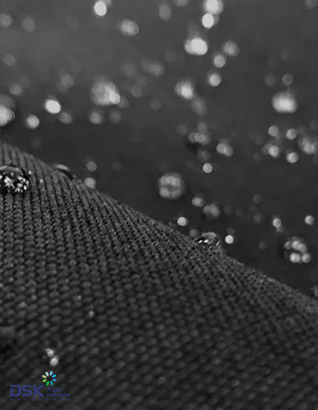
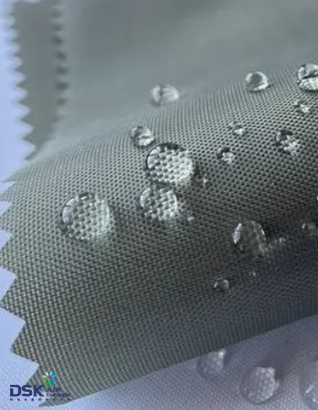
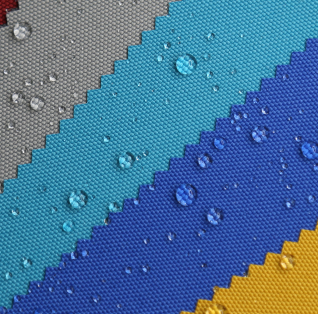
Concept: Functional materials are high-performance materials developed based on special technologies, featuring multiple functions such as water resistance, breathability, UV resistance, antibacterial properties and antistatic properties. Such materials are widely used in multiple fields such as outdoor sports, leisure and work uniforms.
-
Advantages: Excellent performance, such as water resistance, UV resistance and antibacterial functions, can adapt to various environments and climatic conditions. Strong customization capability to meet the specific needs of different customers. High durability and long service life, can withstand multiple washes and long-term use.
- Recycled Environmental-Friendly RPET Materials
-
Concept: Recycled environmentally friendly RPET material is processed from recycled PET plastic bottles and converted into textile raw materials for producing high-strength and highly wear-resistant fabrics. RPET material not only has the performance of traditional PET material but also features environmental friendliness, reducing the accumulation of plastic waste and environmental pollution.
-
Advantages: High environmental protection, reducing resource waste and impact on the natural environment. Maintaining the original high strength and durability of PET. Providing sustainable products that meet green environmental protection standards.
- Degradable Materials
-
Concept: Degradable materials are materials that can decompose in the natural environment, usually used in the production of packaging, daily consumer goods, etc. These materials are specially designed to avoid long-term environmental pollution after use, providing a guarantee for green living.
-
Advantages: Rapid degradation, reducing environmental pollution. Complying with global environmental protection regulations and market demands, enhancing the corporate social responsibility image. Customizable to adapt to different usage scenarios.
- Yarn-Dyed Materials
-
Solution Dyeing: Color masterbatches and dyes are added to the polyester melt for coloring, directly producing various colored fibers.
-
Advantages: Eliminates the post-dyeing process of traditional white synthetic fibers, reduces carbon dioxide emissions, and effectively reduces damage to the natural environment from raw materials to production.
- PET Polyester Twisted Yarn
-
Concept: PET polyester twisted woven material is a twisted woven fabric made of high-strength PET polyester fibers, with extremely strong tensile strength and wear resistance. This material is widely used in the production of luggage, sports equipment and outdoor products, featuring excellent durability and stability.
-
Advantages: High strength and good tensile properties, suitable for high-load use. Strong wear resistance and long service life. Good stability, able to adapt to various harsh environments.



 Tel: 0512-63851588
 Email: Tonyhe@dsksz.com
 Address: No. 3368, Yuanqu Road, Shengze Town, Wujiang District, Suzhou City, Jiangsu Province